How to Brush Your Dog's Teeth Without a Struggle: A Step-by-Step Beginner Guide
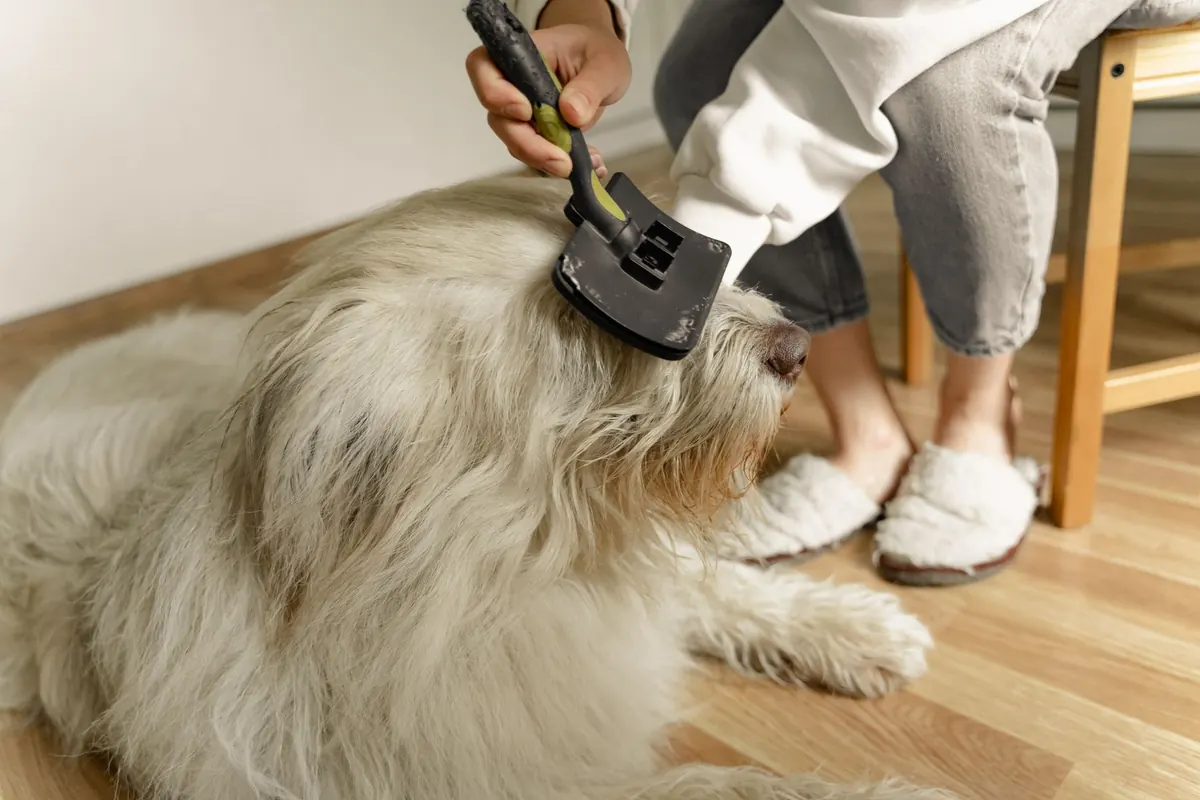
Dogs rarely object to the toothbrush itself. What they object to is a hand coming at their face, an unfamiliar taste, and an owner who suddenly seems tense. Address those three things and most dogs will stand still for thirty seconds of brushing, which is genuinely all it takes.
This guide is for beginners — owners whose dog has never had a brush in its mouth, or whose last attempt ended with both of you on opposite sides of the room. Nothing here requires force, and none of it happens in a single sitting. Work through the stages at your dog's pace, and only move ahead when the current step has become boring.
Start With Desensitization, Not Brushing
The first week involves no toothbrush at all. Your only job is to teach your dog that hands near the mouth predict good things.
Sit on the floor with your dog beside you, not looming over it. Touch the side of the muzzle for one second, say nothing, then give a small treat. Repeat five times, end the session, walk away. Do the same thing later that day. By day three or four, lift the lip gently with one finger, glance at the teeth, and reward. Ten seconds total is plenty.
Once your dog leans into that hand instead of pulling away, introduce the toothpaste as a treat. Squeeze a pea-sized amount onto your finger and let it lick it off. Pet toothpastes come in flavors like poultry, malt and vanilla for exactly this reason. If your dog turns its nose up, try a different flavor before you assume it won't cooperate.
Only then do you add the brush. Some dogs sail through this stage in a week; some need three. Neither is a problem.
Get the Right Tools Before You Start
Equipment matters more than technique in the early weeks. Have these ready:
- A finger brush — a soft rubber cap that fits over your index finger. It gives you the most control and feels least threatening to a nervous dog.
- A pet toothbrush for later — look for a soft-bristled head sized to your dog's mouth. A large breed needs a bigger head than a Chihuahua, but not by much. Small is easier to maneuver.
- Pet-safe toothpaste — enzymatic formulas work while you brush and don't need rinsing. Never use human toothpaste. Many contain xylitol, which is toxic to dogs, and the fluoride and foaming agents aren't meant to be swallowed.
- Gauze or a cotton pad as a backup. Wrapped around a finger, it wipes plaque off the outer surfaces surprisingly well — useful for dogs who refuse bristles entirely.
- Small, high-value treats cut into pieces no bigger than a pea, so you can reward often without filling your dog up.
Keep everything in one place, ideally near where you sit in the evening. A kit you have to assemble is a kit you'll skip.
The First Real Brushing Session, Step by Step
- Pick the right moment. After a walk or a meal, when your dog is settled and slightly tired. Never after a bath or a vet visit.
- Position yourself at the side, not the front. Sit on the floor, dog between your legs facing away, or beside you. Standing over a dog and reaching down is what triggers most of the pulling away.
- Let it taste the paste first. Finger with toothpaste, let your dog lick. Then slide that finger along the outside of the upper teeth and gums, top and bottom, no pressure.
- Swap in the finger brush. Add more paste and work in small circles along the gum line, where plaque does the most damage. Ten to fifteen seconds per side is a full session at this stage.
- Skip the inside surfaces for now. The tongue keeps the inner surfaces reasonably clean. The cheek side is where you need to focus, and it's the only side you can reach comfortably anyway.
- Stop before your dog wants you to stop. This is the single most important rule. If your dog tolerates twenty seconds, brush for fifteen and quit on a good note.
- Reward, release, done. Treat, cheerful voice, walk away. No long goodbye, no extra fuss.
Over two or three weeks, stretch the session toward thirty to sixty seconds, which covers a full mouth once your dog is comfortable.
Turning It Into a Daily Routine
Attach brushing to something that already happens — after the evening walk, before the last bathroom break, while you watch the news. A fixed slot removes the daily decision, and the decision is where most good intentions die.
Aim for once a day. In practice, four or five times a week keeps tartar at bay reasonably well, so a missed night isn't a crisis. Do keep the sessions short. Two calm thirty-second brushes beat one five-minute battle, and your dog remembers the battle far longer than you do.
Leave the toothbrush somewhere visible as a reminder, and keep treats within arm's reach so nothing breaks the flow.
Troubleshooting Common Hiccups
Your dog clamps its mouth shut
Go back a step and spend a week just lifting the lip and rewarding. Also check your position — most clamping happens when a hand approaches from directly in front of the face. Come in from the side.
Your dog chews the brush
That's fine, and often a good sign. Let it chew for a moment, then start brushing again. Bristles are soft and won't hurt. Replace the brush when it looks frayed.
Your dog bolts when it sees the toothpaste tube
The tube has become the cue for something unpleasant. Leave it on the floor during the day. Treat your dog whenever it sniffs the tube. Rebuild the association before you try brushing again.
You see a little pink on the bristles
A faint pink tinge in the first week or two is common if gums are already inflamed. Keep brushing gently — it usually improves. Heavy bleeding, swelling, loose teeth or obvious pain means a vet visit, not more brushing.
When Brushing Isn't Enough
Home brushing prevents problems, but it can't remove tartar that has already hardened. If your dog's breath is consistently foul, if you can see brown buildup along the gum line, or if eating seems uncomfortable, book a dental check. Small breeds, flat-faced dogs and seniors tend to need professional cleanings more often. A vet can assess what's happening below the gum line and advise on the right schedule for your dog.
Start tonight with one second of muzzle touching and a treat. That's the whole assignment. The toothbrush comes later, and by then it will feel like no big deal.
Photo: Yaroslav Shuraev / Pexels