Cat Litter Box Setup Checklist: 7 Things Most Owners Forget
Most litter box problems don't start with the cat. They start with the box: where it sits, how full it is, how often it gets scooped, and whether a fourteen-year-old cat with stiff hips can step into it without hesitating. Fix the setup and a surprising number of so-called behavioral issues fade away — the accidents just outside the box, the smell that returns two days after cleaning, the cat who holds it until you walk through the door.
Here are the seven details owners most often skip, roughly in the order they cause trouble.
Start With More Boxes Than the Rule Suggests
The familiar formula — one box per cat, plus one — is a floor, not a ceiling. In a two-cat household that means three boxes, and they need to sit in different rooms. Two boxes side by side in the same laundry corner read as one territory to a cat, and the cat at the bottom of the household pecking order will quietly stop using that spot.
Even with a single cat, two boxes earn their space: one upstairs, one down, or one in a quiet bedroom and one near the living area. Many cats prefer to urinate in one box and defecate in another. A spare box also means a bout of diarrhea or a late night at work doesn't turn into a crisis.
Placement Matters as Much as the Box
Cats want a box that feels private but not like a trap. That usually means a low-traffic corner with a clear view of the room and, ideally, two ways out. A box wedged behind a door in a dead-end closet or pressed into a corner with walls on three sides gives a cat no escape route, and anxious cats will avoid it.
A few placement rules worth following:
- Keep boxes away from food and water bowls. Cats are clean animals and dislike eating near a toilet.
- Avoid the washing machine, dryer, furnace, or a door that slams. Sudden noise at the wrong moment can create a lasting aversion.
- In a multi-level home, put a box on every floor the cat spends time on. Asking an older cat to manage stairs is asking for accidents.
- Leave headroom. Cats stand, turn, and dig; a box tucked under a low shelf invites misses.
Size the Box for the Cat, Not the Shelf
Measure your cat from the base of the tail to the tip of the nose, then aim for a box about one and a half times that length. Most boxes sold in pet stores are far too small for an average adult cat, which is one reason cats hang over the edge or scoop litter onto the floor.
An uncovered box is the safer default. If you use a hooded one because of a nosy dog or an awkward room, take the swinging door flap off and check that your cat can stand upright inside. A plastic storage tub with a U-shaped notch cut into one side gives you generous space, high walls, and a low entry for a few dollars.
Litter Depth: The Detail Behind Many Accidents
Depth is where small mistakes create big smells. With clumping litter, two to three inches is the sweet spot. Non-clumping litter usually needs three to four inches so urine doesn't reach the plastic.
Too shallow and urine pools on the bottom, sticks, and leaves an odor the cat can smell long after you've scooped. Too deep and cats sink while digging, kick litter over the side, and sometimes refuse the box altogether. A simple test: a full clump should lift out cleanly without the scoop scraping the base. If you're scraping plastic every day, add an inch.
Keep the Litter Boring
Unscented, fine-grained clumping litter suits the largest number of cats. Scented litters, crystals, and novelty textures are marketed for people, and plenty of cats reject them by eliminating beside the box instead of in it. If you need to switch brands or types, mix a little of the new litter into the old and increase the ratio over one to two weeks, keeping one box with the original litter during the transition.
A Cleaning Rhythm You Can Actually Keep
- Scoop twice a day, morning and evening. Once-daily scooping is workable with one cat and one box; it rarely holds up with more of either.
- Top up the litter after scooping so depth stays consistent.
- Do a full change on a schedule: every two to four weeks with clumping litter for one cat, more often with multiple cats, and weekly for non-clumping litter.
- Wash the box with hot water and a mild unscented soap. Skip ammonia-based cleaners, which smell like urine to a cat, and heavy disinfectants that can irritate paws and airways.
- Dry the box completely before refilling. Damp litter starts smelling within hours.
- Replace boxes that are deeply scratched, cracked, or stained. Worn plastic holds odor that no scrubbing reaches.
A litter mat in front of the box catches tracked granules, and a small air purifier nearby helps without blowing directly into the box. Charcoal filters in hooded boxes need changing regularly, or they just trap odor inside.
Senior Cats Need Their Own Setup
Arthritis changes everything. A high-sided box becomes a wall to climb, and a cat in pain may start urinating just outside it, or standing while going because squatting hurts. Lower the entry by cutting a notch in the side of a plastic tub, use an inch or two of soft unscented litter, and add a night light so the box is easy to find in the dark. Put a non-slip mat underneath, keep the path clear, and place a box on the main floor even if the cat used to manage stairs.
Watch for signs that the box itself is the problem: hesitating at the edge, crying while in the box, going right next to it, or stiffness after a nap. Sudden changes in litter box habits can also point to a urinary, kidney, or digestive issue, so if the behavior is new or your cat is straining, call your veterinarian rather than experimenting with setup alone.
A Ten-Minute Reset
If your cat is already avoiding the box, start with the cheap fixes. Count your boxes and add one if the math is tight. Move a box out of a corner into a quiet spot with two exits. Check the depth with your scoop. Wash one box completely and dry it. Add a night light near the senior cat's box.
Then leave everything alone for a week and watch. Most cats settle back into a well-placed, well-kept box within days. If accidents continue, or if your cat is straining, vocalizing, or going more often than usual, treat it as a health question first and get veterinary advice before you buy another box.
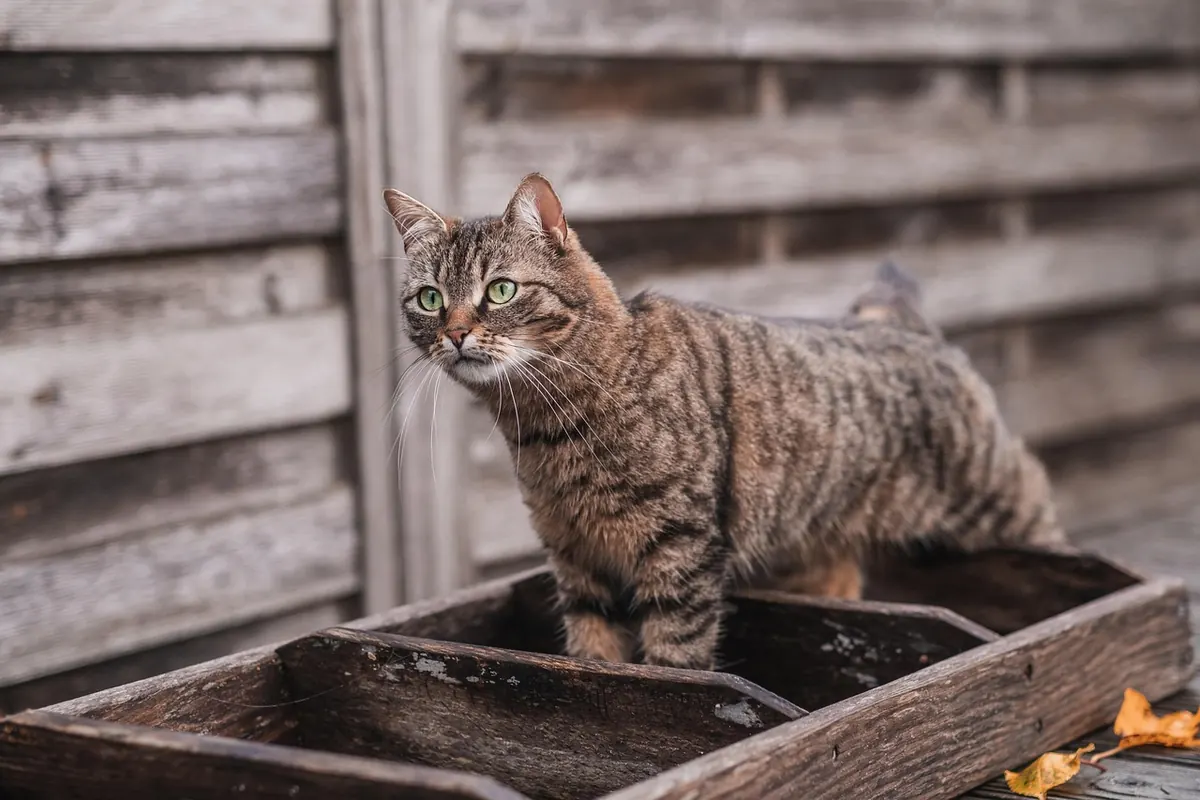
Photo: miezekieze / Pixabay