Seasonal Flea and Tick Prevention Guide: Month-by-Month for Warmer Climates

If winter where you live means a light jacket rather than a snow shovel, the usual spring-to-fall flea and tick advice only half fits. Fleas keep breeding indoors and in shaded, damp corners of the yard through the cool months, and ticks stay active in mild weather far longer than most owners expect. So prevention in warm climates is less about a season and more about a rhythm: a preventive that never lapses, a quick check a few times a week, and yard work timed to the weather in front of you.
Why Warm Climates Change the Calendar
Fleas spend only part of their lives on your pet. The adults you spot are a small fraction of the population; the rest — eggs, larvae, pupae — sit in carpet, bedding, floor cracks and soil. Warmth and humidity speed up that development, which is why one missed month in a mild climate can become an infestation faster than it would where the ground freezes hard.
Ticks work differently. They don't infest homes the way fleas do; they wait in vegetation for a host to brush past. Cold and snow push them down, but in mild regions they slow rather than stop. Tick season is a sliding scale, not a switch.
Winter (December–February): The Quiet Months Aren't Empty
Even a pet who rarely leaves the yard faces risk in winter. Heating keeps indoor temperatures steady, holiday visits bring new people and animals through the door, and boarding or daycare can mean exposure you never see. On days when the temperature climbs above freezing, adult ticks can be out and looking for a meal.
Keep the monthly preventive going unless your veterinarian has advised otherwise. This is a common month for owners to take a break — and a common month for infestations to start quietly. Wash pet bedding, vacuum where your pet sleeps, and check ears, armpits and the tail base after every walk.
Spring (March–May): Prime Time
As temperatures rise and the ground stays damp, flea eggs hatch faster and ticks wake up in new growth and brush. Start before you see a problem: confirm your preventive is current, refill prescriptions, and set a recurring reminder so doses aren't skipped.
This is also the best stretch for the yard work that pays off all summer:
- Rake out leaf litter and clear debris from under decks, porches and along fence lines.
- Mow regularly and keep grass short near doorways and walkways.
- Trim back brush at the edge of the yard where pets brush past.
- Clear leaf piles and stacked wood that shelter rodents and other wildlife.
Summer (June–August): Peak Pressure
Heat plus humidity equals the busiest stretch of the year. Fleas multiply fastest now, and ticks are thick in tall grass, at woods edges and along overgrown paths. If you hike, camp, or let your dog run in fields, a check after every outing is worth the two minutes.
Stay on mowed trails where you can, and run your hands over your pet afterward: ears, neck, under the collar, between the toes, armpits, belly and groin. Feel for small bumps. Ticks attach tightly and are easy to miss against dark fur.
If you find one, use fine-tipped tweezers, grip close to the skin and pull straight out with steady pressure. Don't twist, crush it or smother it with petroleum jelly. Clean the spot and note the date. Call your vet if your pet becomes lethargic, loses appetite, runs a fever, or develops lameness or swollen joints in the weeks that follow.
Autumn (September–November): The Second Wave
Warm autumn days are flea weather, and many owners let prevention slide just as the population rebounds. Rodents and other wildlife move closer to houses as temperatures drop, dropping ticks and flea eggs along fence lines, in sheds and around outbuildings.
Keep up monthly preventives at least through the first hard frost — and if frost rarely arrives where you live, keep going. Continue weekly checks, wash bedding, and clear fallen leaves as they drop instead of waiting for spring.
Yard, Home, and Preventives: A Monthly Rhythm
A short routine beats a big cleanup every time. Once a month:
- Give the preventive on schedule and log the date somewhere you'll see it.
- Wash pet bedding in hot water and vacuum floors, furniture and the car.
- Walk the yard — mow, clear leaves, look for signs of wildlife moving through.
- Do a full body check on each pet, plus a flea-dirt test: rub a damp white paper towel along your pet's back near the tail. A reddish-brown smear means flea droppings.
- Look over the skin for redness, scabs, hair loss or near-constant scratching.
A word on products: never use a dog flea or tick product on a cat, and don't combine products without asking your vet first — some ingredients overlap or interact. Puppies, kittens, pregnant, elderly or unwell pets need individual advice, so treat the label as a starting point rather than a prescription. For anything involving your pet's health, your veterinarian is the right person to make the call.
Questions to Bring to Your Vet
- Given where we live and how much time my pet spends outdoors, do you recommend year-round prevention?
- Which product fits my pet's age, weight and health, and how should it be applied or dosed?
- Does my current preventive cover ticks as well as fleas?
- Should we add heartworm or other parasite protection for this region?
- Which symptoms mean I should call you rather than wait and watch?
Making the Routine Stick
Attach each task to something you already do. Give the preventive on the first of the month, check for ticks while you dry your dog's paws after a walk, and clear leaves on the same weekend you mow. Keep a card in the car with your vet's number and the last dose date, so anyone who walks or watches your pet can stay on schedule too.
The point isn't perfection. It's that in a warm climate, small lapses add up quickly — and small habits, repeated, keep the problem from ever getting a foothold.
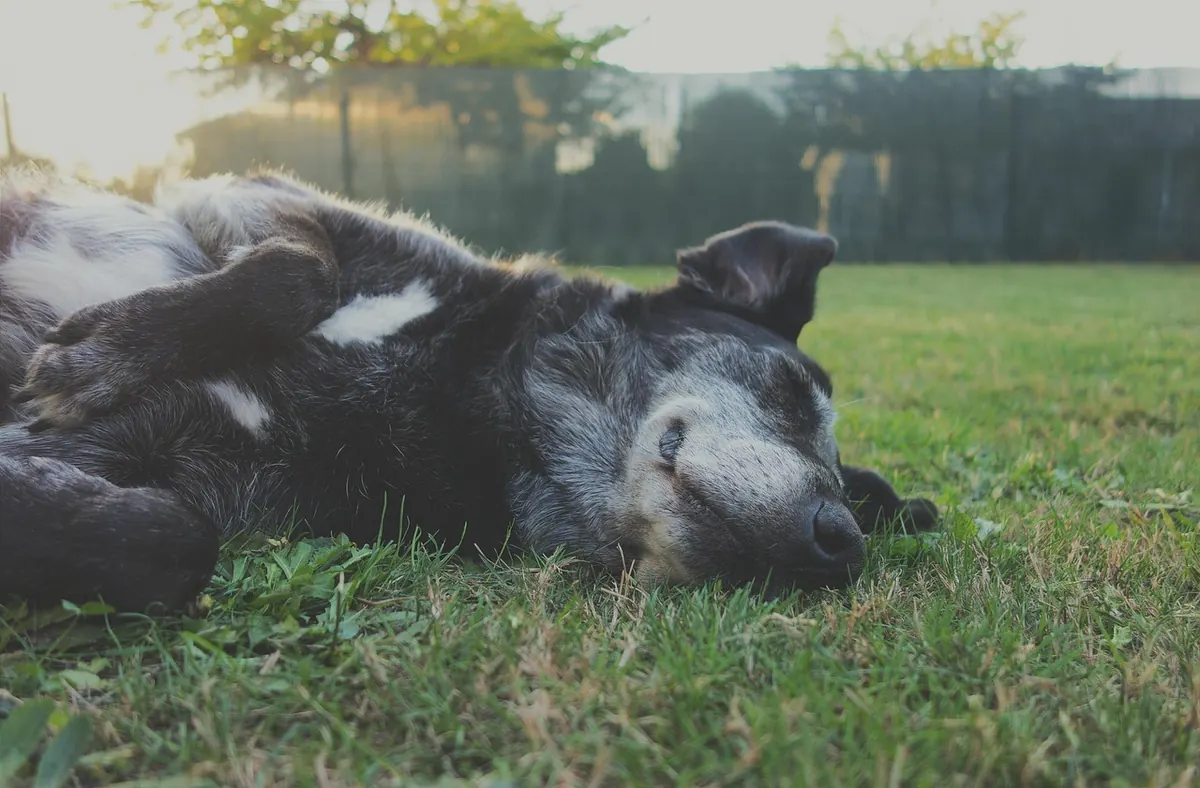
Photo: Briam-Cute / Pixabay